Supporting Long-Duration Energy Storage in Karnataka
The Saundatti Standalone Pumped Storage Project (PSP) is a 1,600 MW pumped storage development in Belagavi district, Karnataka. The project involves an upper reservoir near Somapura and a new lower reservoir near the existing Renukasagar reservoir across the Malaprabha River.
-
Location
Belagavi district, Karnataka, India
-
Period
September 2022 – Ongoing
-
Member companies
SMEC
-
Impact
Supports renewable energy integration and grid flexibility through long-duration energy storage and peak-generation capability.
-
1,600
MW Installed capacity
-
9,056
MWh Energy storage
-
5.66
hours peak-generation capability
-
0.683
TMC Water recirculation (non-consumptive)
Supporting Long-Duration Energy Storage
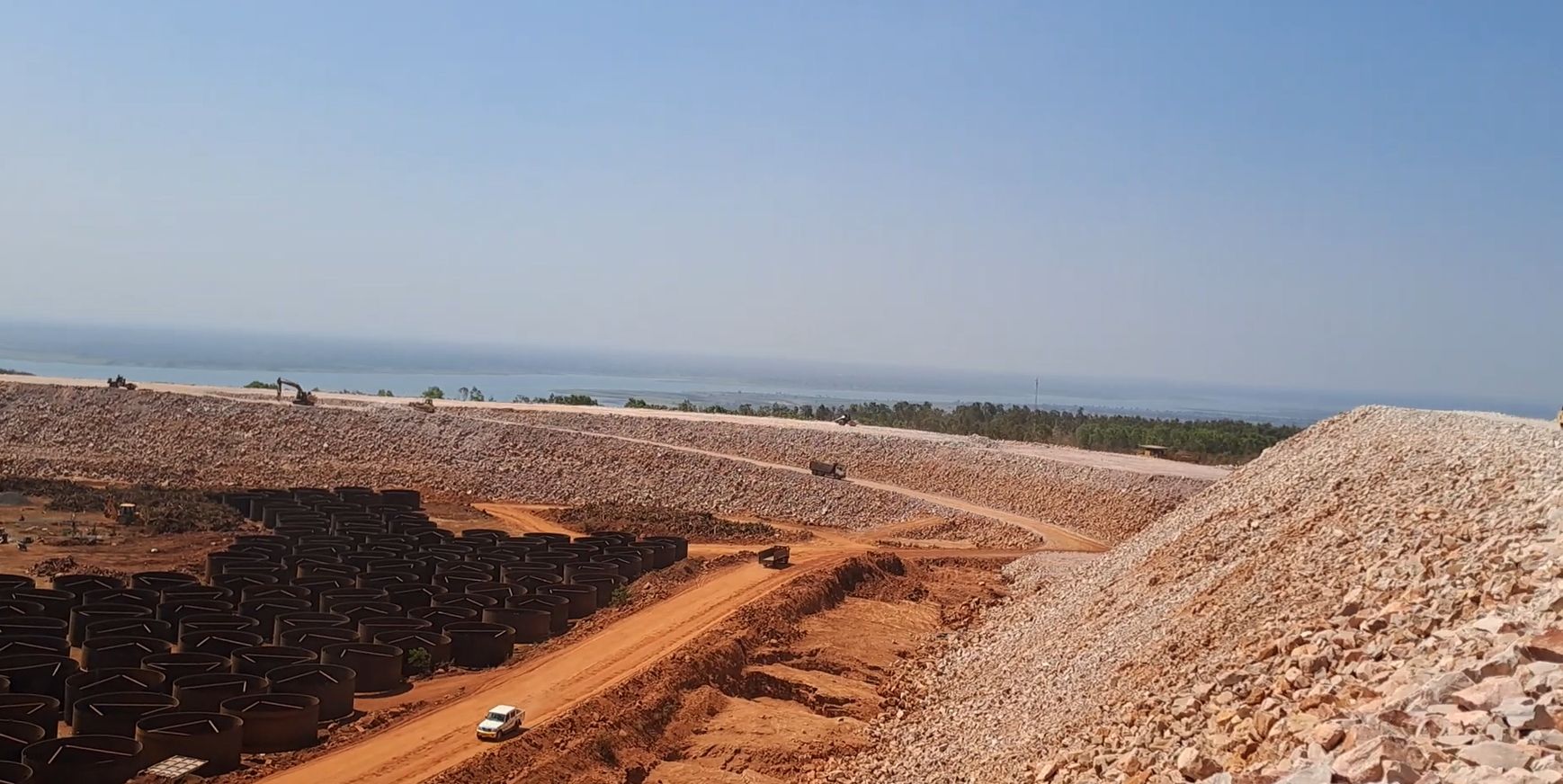
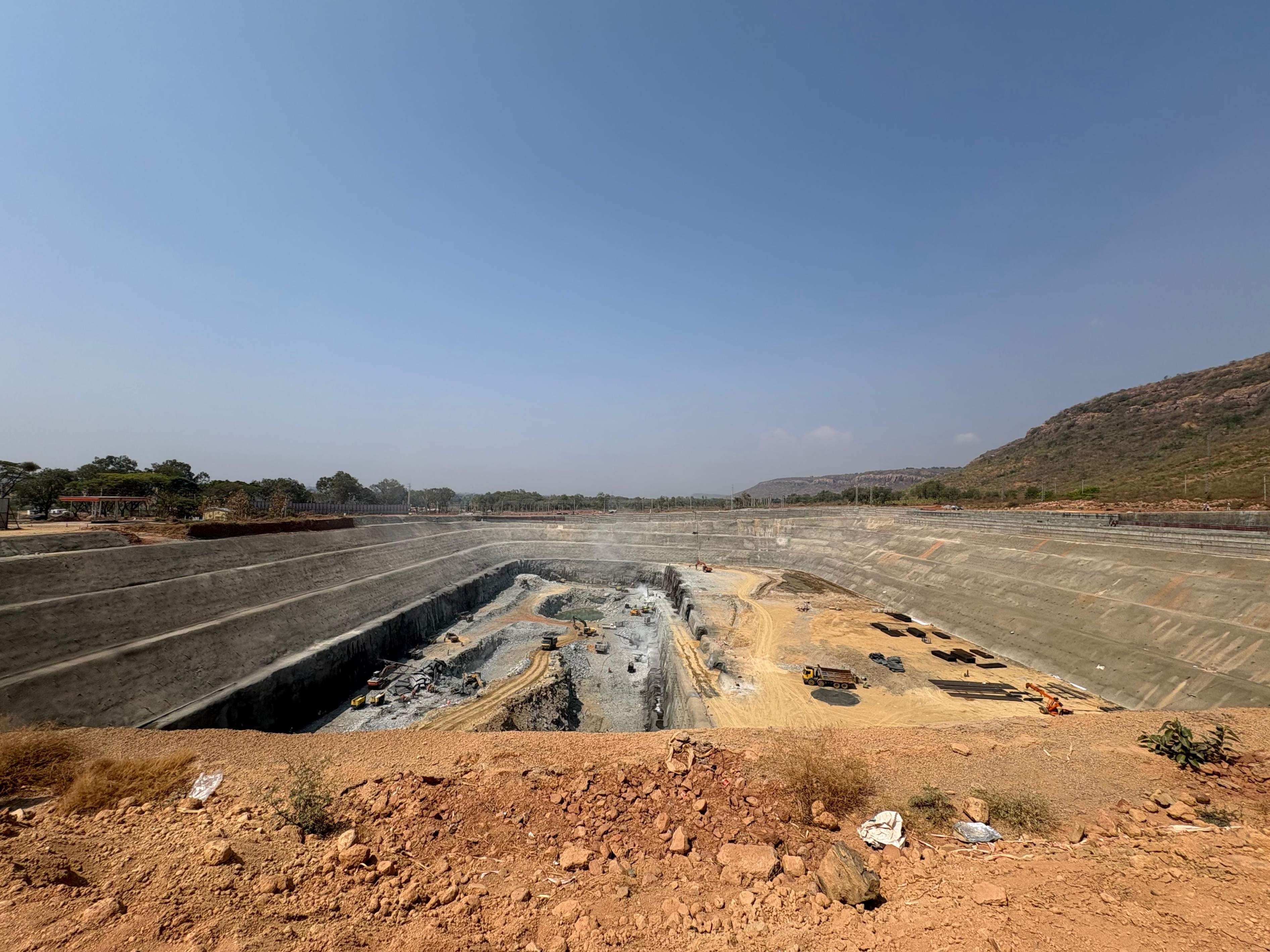
The 1,600 MW Saundatti Standalone Pumped Storage Project in Belagavi district, Karnataka, is designed to provide long-duration energy storage and support the integration of renewable energy into the power grid. The scheme comprises an upper reservoir near Somapura and a new lower reservoir near the existing Renukasagar reservoir across the Malaprabha River.
SJ Group, through SMEC (India) Private Limited, is providing detailed design and drawings for the civil and hydromechanical works, together with technical assistance. The scheme is designed to utilise a rated head of approximately 193 m and a total design discharge of 963.20 cumec to generate 1,600 MW through four 320 MW units and two 160 MW units.
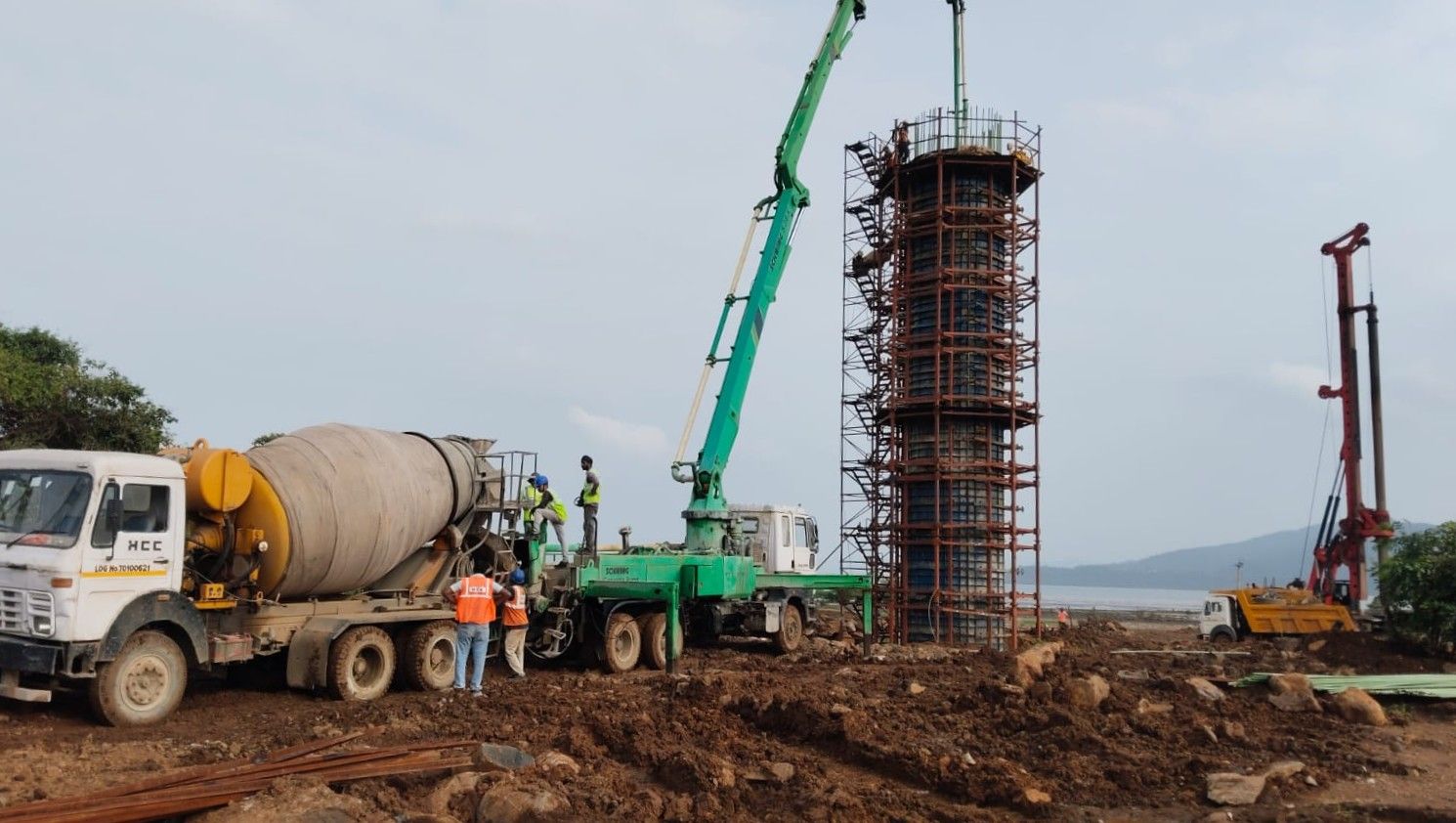
The project incorporates major hydraulic and power infrastructure, including the upper and lower reservoirs, diffuser-type intake structures, steel-lined pressure shaft and penstocks, a pit-type powerhouse and concrete-lined tailrace tunnel.
With approximately 9,056 MWh of energy storage and around 5.66 hours of peak-generation capability, the project will enable surplus electricity to be stored and dispatched during periods of high demand. It is also designed for non-consumptive recirculation of approximately 0.683 TMC of water, supporting long-duration energy storage while contributing to grid flexibility and reliable peak-power supply.
The outcome
The project will provide approximately 9,056 MWh of energy storage and 5.66 hours of peak-generation capability, supporting renewable energy integration, grid flexibility and reliable peak-power supply through non-consumptive water recirculation.
Up next