How SJ Group is helping Stockland turn upfront carbon data into more informed project decisions
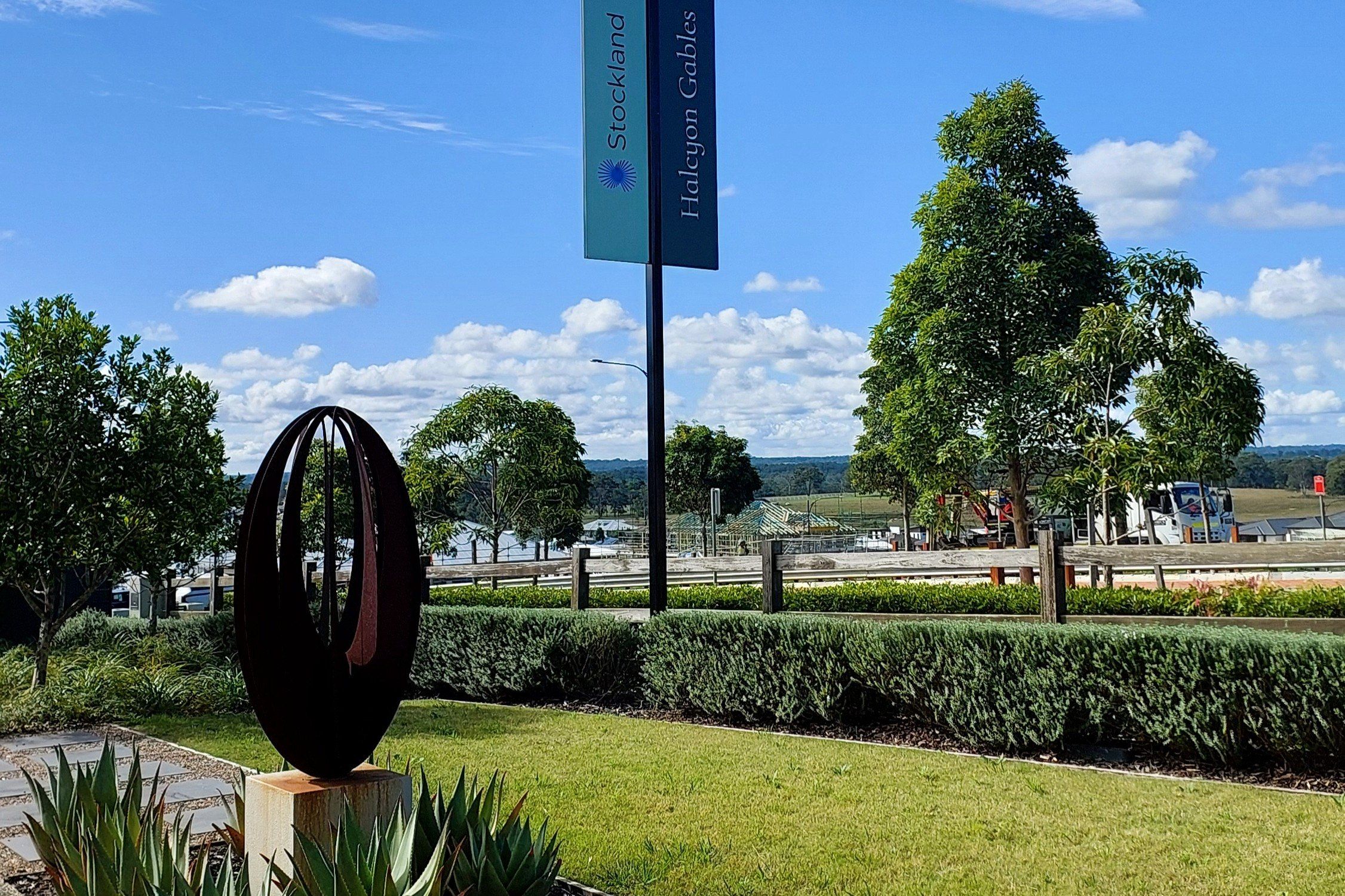
Stockland, one of Australia’s largest diversified property groups, is raising the bar for upfront carbon management across its development portfolio with support from SJ. The work is strengthening how project-level carbon is assessed and reported, creating a more consistent evidence base for future reduction planning.
This reflects a broader shift in the market. As mandatory climate reporting takes effect in Australia, investors, regulators and project stakeholders are looking for clearer evidence of climate action. For developers, this increases the importance of credible upfront carbon data that can show how emissions are being managed across complex portfolios.
For Stockland, upfront carbon data provides a way to understand the embodied carbon profile of different development assets, identify key emissions drivers and consider how earlier project decisions can support reduction targets. The work is particularly relevant to Stockland’s public commitment to halve the emissions intensity of its most material Scope 3 emissions by 2030.
SJ is helping Stockland strengthen its upfront carbon process and apply project-level assessment across the development portfolio. The engagement combines carbon advisory with practical engineering judgement to improve data quality and translate technical information into project insight.
The focus is on upfront carbon from development activity. This includes emissions embedded in the assets Stockland delivers before they become operational, particularly the areas of development-related Scope 3 emissions that can be materially influenced through design and procurement decisions.
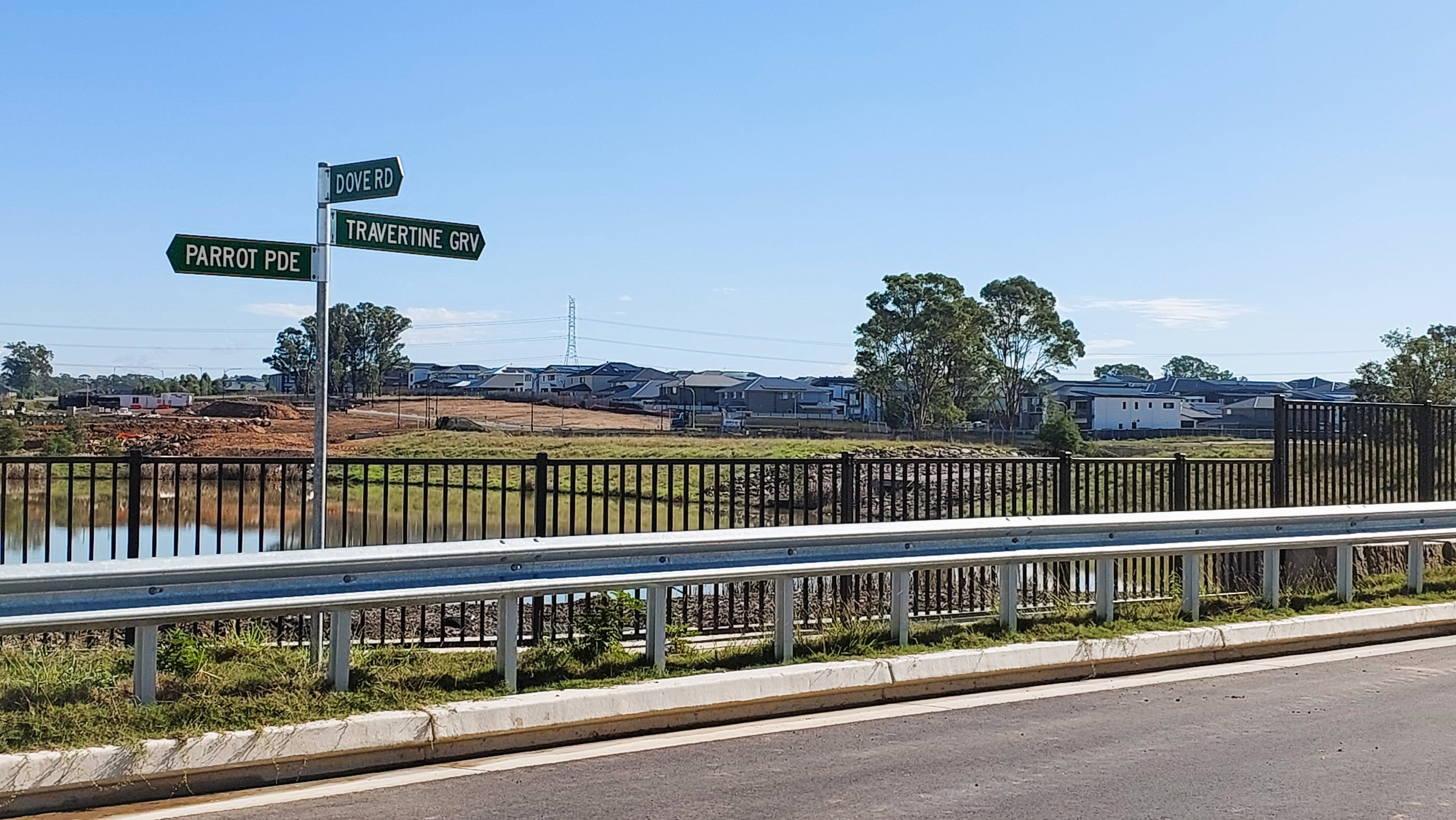
Creating a stronger methodology for carbon assessments
Stockland has a long history of measuring and understanding upfront carbon across its development portfolio. As industry approaches to carbon measurement and reporting continue to mature, Stockland is progressively refining its assessment methodology to better align with evolving guidance, improvements in data quality and expectations around completeness, consistency and transparency.
SJ was a key partner in this process, providing advice on how to refine Stockland’s in-house carbon measurement tools and methodologies. This includes calculation logic, assumptions, emission factors and material categories.
This uplift gives Stockland a more robust way to compare the upfront carbon across development projects, recognise recurring carbon drivers and carry lessons from completed work into future reduction planning.
Applying engineering judgement to carbon assessment
Upfront carbon assessment relies on complex project data, which is not always complete or prepared for carbon reporting purposes.
SJ’s technical understanding of civil infrastructure and land development projects helps interpret that data in context. This includes reviewing Bills of Quantities, drawings, design models, material assumptions and construction information to understand how each project has been designed and delivered.
That practical engineering judgement helps translate complex project inputs into clearer carbon insights. It supports a more accurate view of project carbon outcomes and gives teams a stronger understanding of the factors influencing emissions.
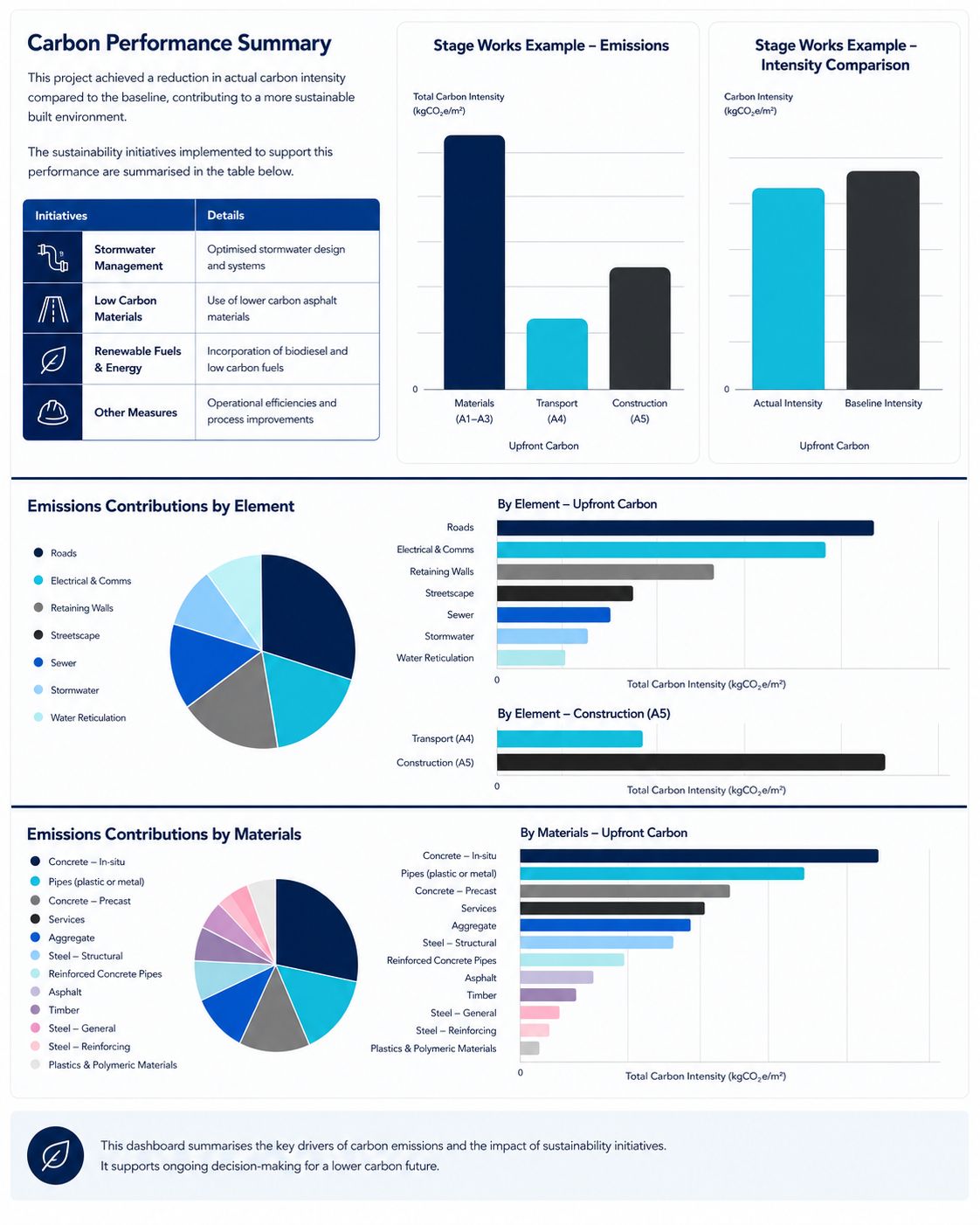
SJ developed a detailed project summary dashboard to illustrate carbon intensity, comparison against a baseline, sustainability initiatives and emissions drivers by lifecycle stage, project element and material category. Figures and project details have been anonymised.
Understanding carbon profiles across the portfolio
Upfront carbon is not evenly distributed across a development portfolio. It is shaped by the type of asset being delivered, the materials required, and the physical conditions of each site.
For Stockland, this means a single project assessment only tells part of the story. A bridge, subdivision stage, pump station, road upgrade or community facility will each have a different emissions profile and a different set of reduction levers.
The value of a portfolio-wide approach is that it makes these differences visible. By comparing carbon performance across different asset types, Stockland can understand which elements and materials are consistently driving upfront carbon outcomes, and where reduction effort is likely to have the greatest impact.
The reporting outputs help translate that evidence into practical insight, showing carbon intensity and emissions by lifecycle stage, project element and material category. This helps project and sustainability teams understand how embodied carbon differs between asset types and which parts of the project have the greatest influence on upfront carbon outcomes.
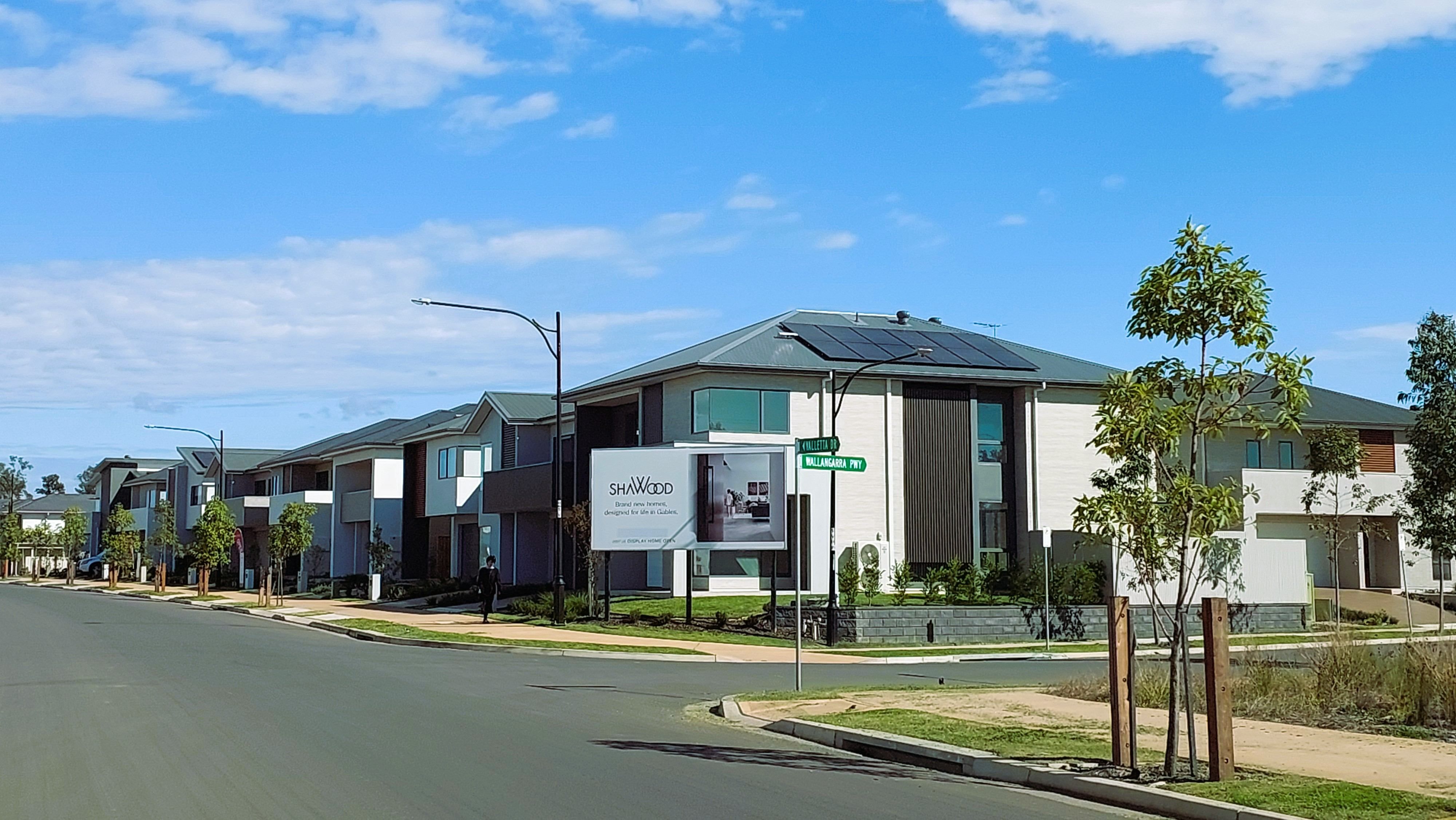
Applying insights upstream
Upfront carbon assessment creates the most value when evidence reaches project teams while key choices remain open.
Completed-project assessments help reveal the drivers behind emissions. When this evidence is carried into live projects, it can help teams test lower-impact options before design and procurement decisions are locked in.
These choices may relate to material efficiency, design standards, earthworks strategy, pavement and drainage solutions, concrete and asphalt specifications, recycled content, supplier engagement, construction energy and future tender requirements.
Across Stockland, this shift is already underway. Over time, completed-project assessments can create a practical feedback loop, where evidence from delivered work informs guidance that can be applied earlier on future projects.
For SJ, the work reflects the value of combining carbon advisory with practical engineering judgement. It shows how clients can move from carbon measurement to project-level insight that supports strategic decision making across complex portfolios.
About the Author
Maria Austria is Technical Principal – Sustainability & Climate Resilience at SMEC, an SJ company, with 20 years of experience across infrastructure and the built environment. A civil engineer by training, she began her career in engineering design before specialising in green buildings and sustainable development. Today, she leads multidisciplinary teams delivering upfront carbon, climate resilience, greenhouse gas management and sustainability strategy for major infrastructure and property projects across Australia.
Maria believes sustainability is not separate from engineering—it is engineering done well. She is passionate about helping clients embed sustainability into project planning, design and delivery, translating technical evidence into practical decisions that create long-term value.
Maria is a Green Star Accredited Professional, Infrastructure Sustainability Accredited Professional and a member of Engineers Australia.
-
Client
Stockland
-
Location
Australia Wide
-
Project Duration
2025-2026
-
Service
Sustainability
-
Member Companies
SMEC, Robert Bird Group and Atelier Ten