From Ageing Icons to Agile Assets: The Role of AEI in Future-Proofing the Built Environment
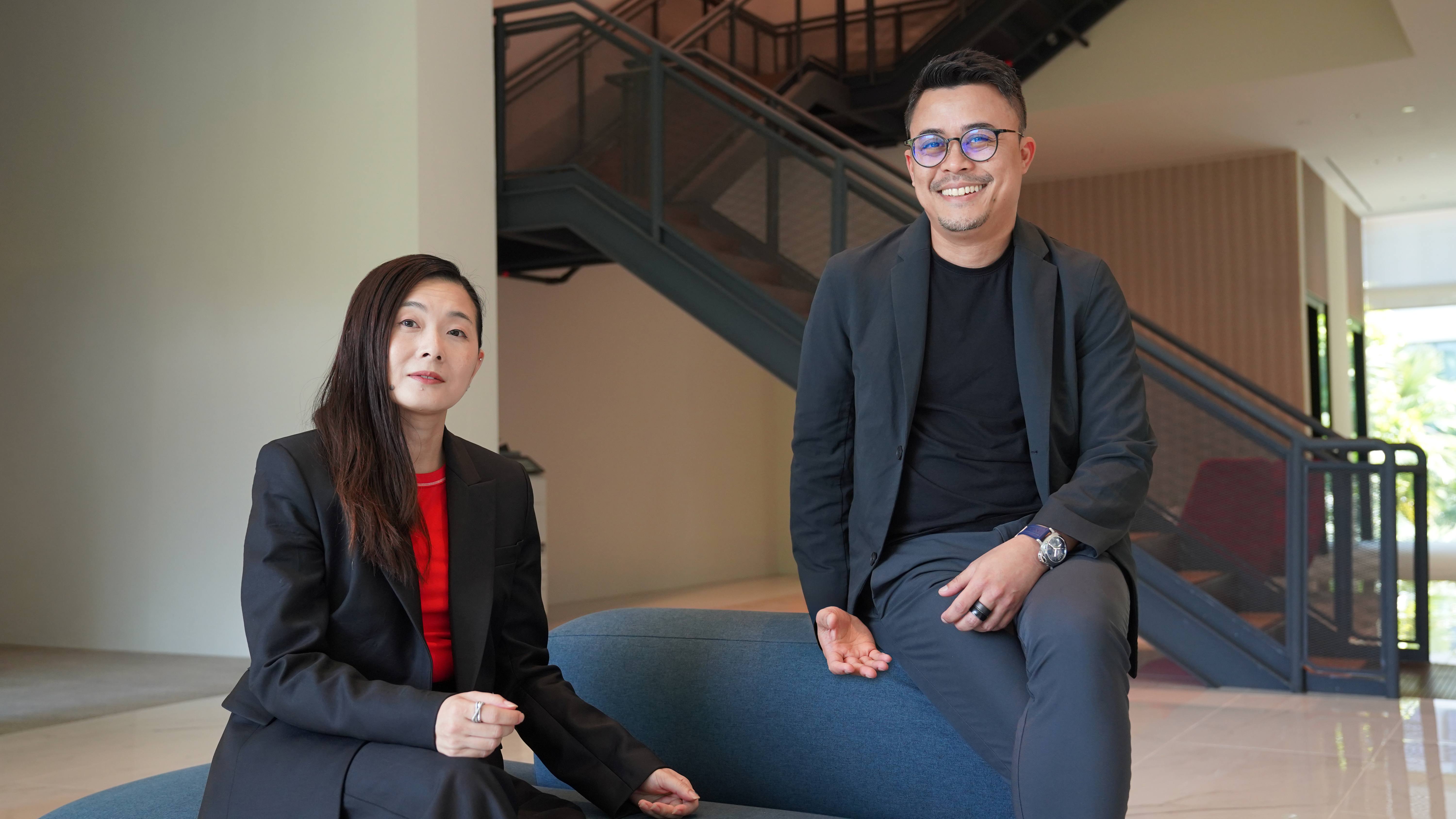
Ivy Koh (Executive Director and Singapore Lead for Architecture + Design, SJ Group and SAA Architects) and Aidil Shukor (Executive Director, Architecture + Design, SJ Group
In a city defined by density, the pursuit of excellence, and perpetual reinvention, Asset Enhancement Initiatives (AEI) have matured from stop-gap upgrades to precise instruments for urban recalibration. As we grapple with climate urgency, shifting socio-cultural dynamics, and scaling sustainability imperatives, AEI compels us not simply to polish ageing designs, but to rethink their very spatial logic.
We sit down with Ivy and Aidil who have recently taken up the mantle of leading SAA, collaborating closely with the key leadership team. Together, they discuss frameworks, friction points, and the latent potential of AEI.
Is AEI a tool for urban acupuncture?
Ivy: As Singapore turns 60, a significant portion of its building stock is reaching maturity when renewal and enhancement become necessary to keep up with changing social, environmental, and economic needs. AEI delivers incremental interventions that recalibrate the existing urban fabric without the disruption or erasure caused by wholesale redevelopment.
It extends beyond façade enhancements or upgraded entrances, and involves the strategic reformulation of spatial layouts, functional reconfiguration, and the reprogramming of spaces to better align with contemporary usage.
Aidil: Absolutely, AEI demands surgical precision, targeted strategies, and meticulous planning.
What factors are driving its growing appeal?
Aidil: Cost is a major driver. Demolishing and reconstructing an entire building incur significant costs. AEI presents a financially sound alternative to full-scale redevelopment, as retrofit and upgrade works typically require a fraction of the capital expenditure.
Ivy: From an operational standpoint, AEI also allows for the continued use of the building during works, minimising disruption to ongoing functions such as office tenancy and retail activity. This continuity not only sustains cash flow throughout the enhancement process but also enables property owners to incrementally uplift asset value.
Aidil: Furthermore, integrating contemporary mechanical and electrical (M&E) systems during retrofits enables greater operational efficiency and sustainability, yielding significant energy and maintenance savings. In contrast, demolition and reconstruction have a sizeable carbon footprint — which is increasingly untenable given environmental considerations.
Ivy: While AEI necessitates phased implementation, extended timelines, and a high degree of planning coordination, its dual economic and environmental returns position it as a compelling strategy for sustainable urban renewal.
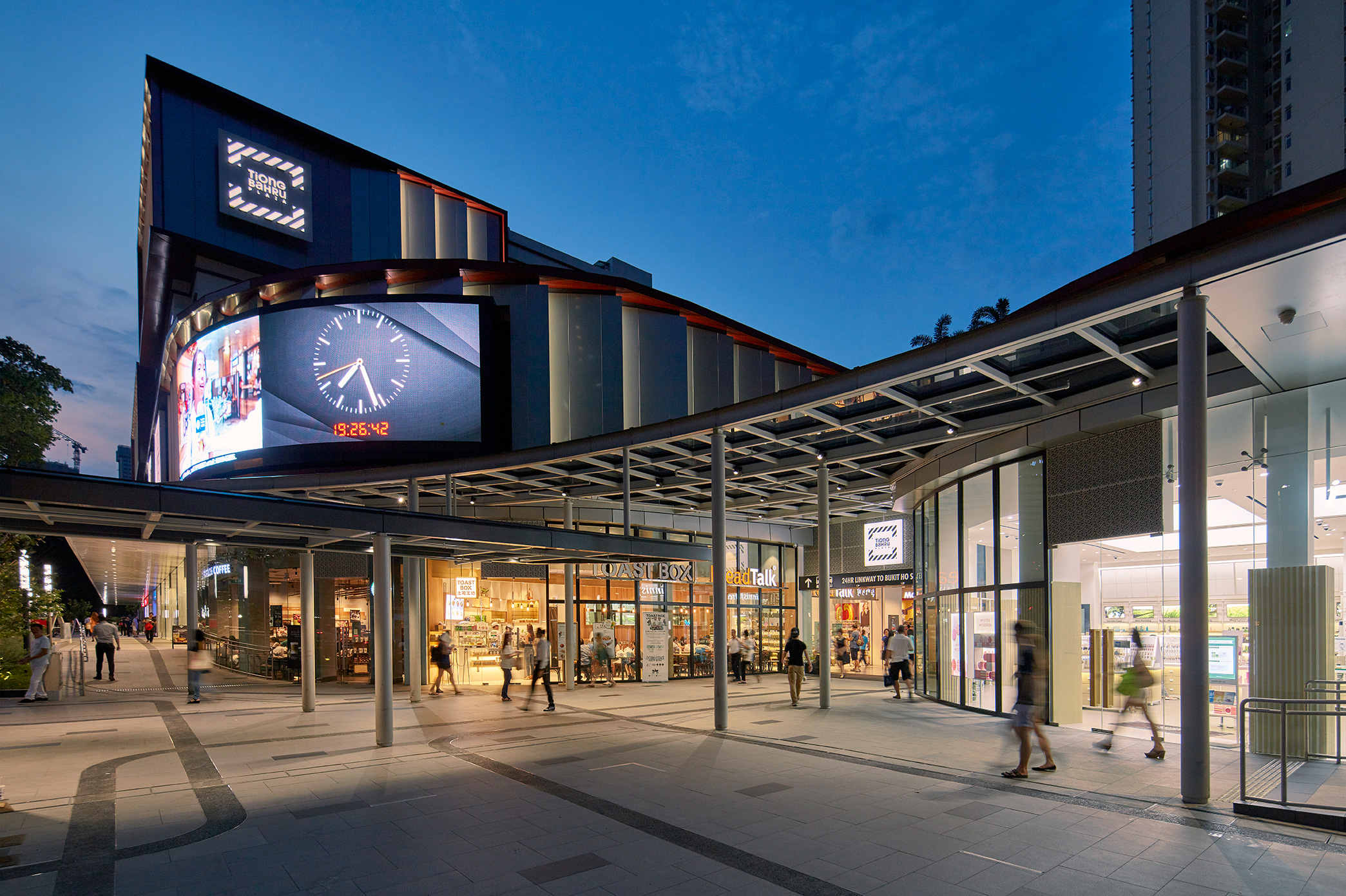
Tiong Bahru Plaza
What are the key challenges involved in implementing AEI?
Ivy: An inherent challenge is working with the constraints of the existing building. Altering the programmatic DNA of a building, such as converting an office block into residential units or a hotel, demands extensive reconfiguration of M&E systems that necessitates invasive structural interventions.
The scale and complexity of these works can make such transformations financially and technically prohibitive. While there are precedents for successful programmatic conversions internationally, in Singapore, such fundamental reconfigurations remain the exception rather than the norm.
Aidil: Another layer of complexity lies in reconciling ageing structures with safety and accessibility standards, which are ever evolving. For instance, retrofitting barrier-free access facilities into split-level developments, or installing fireman’s lifts in buildings without existing lift cores, require substantial spatial and structural ingenuity.
Such interventions, especially on tightly constrained sites, often require intensive consultation and negotiation with local authorities. We have to demonstrate a nuanced understanding of the regulatory intent and propose creative workarounds to mitigate associated risks.
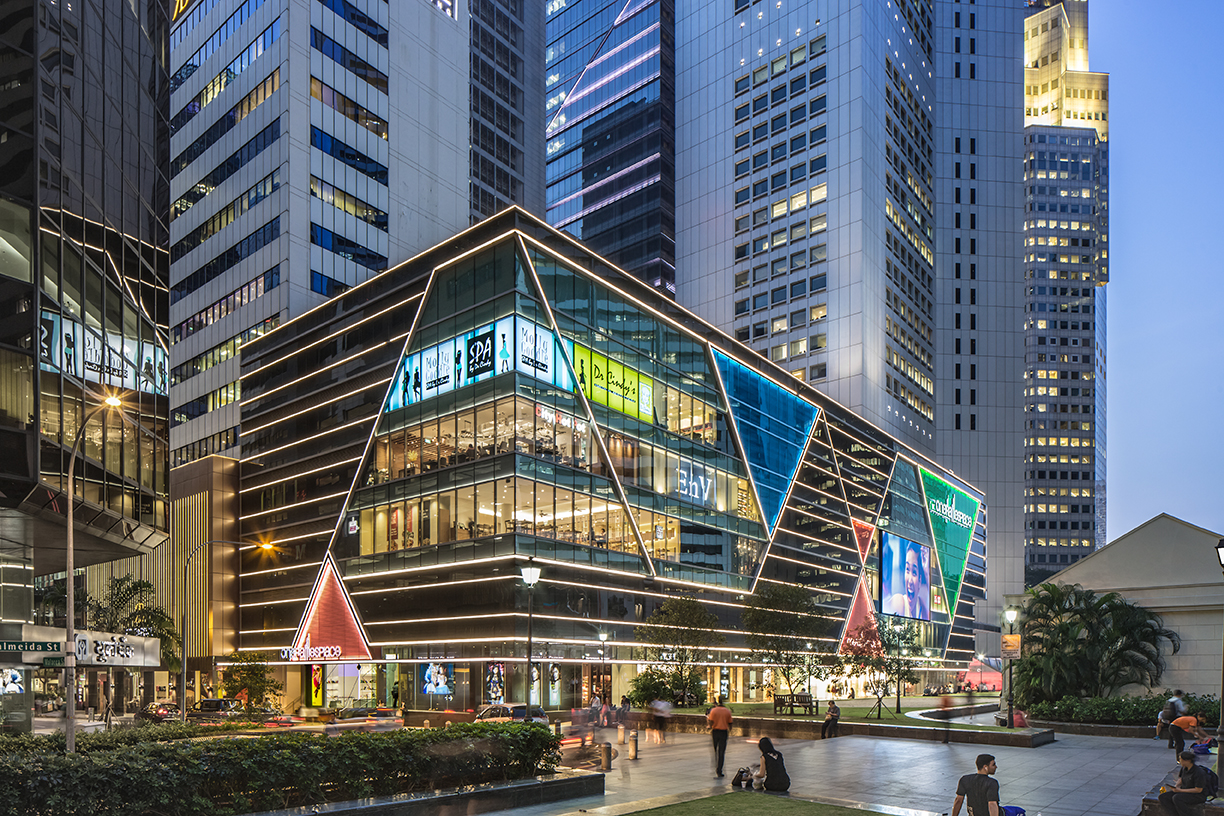
One Raffles Place Podium
How can AEI meaningfully improve a structure without altering its original sense of space?
Ivy: AEI carries the risk of diluting or erasing a building’s intrinsic sense of place, especially when interventions overlook the historical, cultural, or social narratives embedded in the original fabric. This risk is particularly acute in the context of heritage structures.
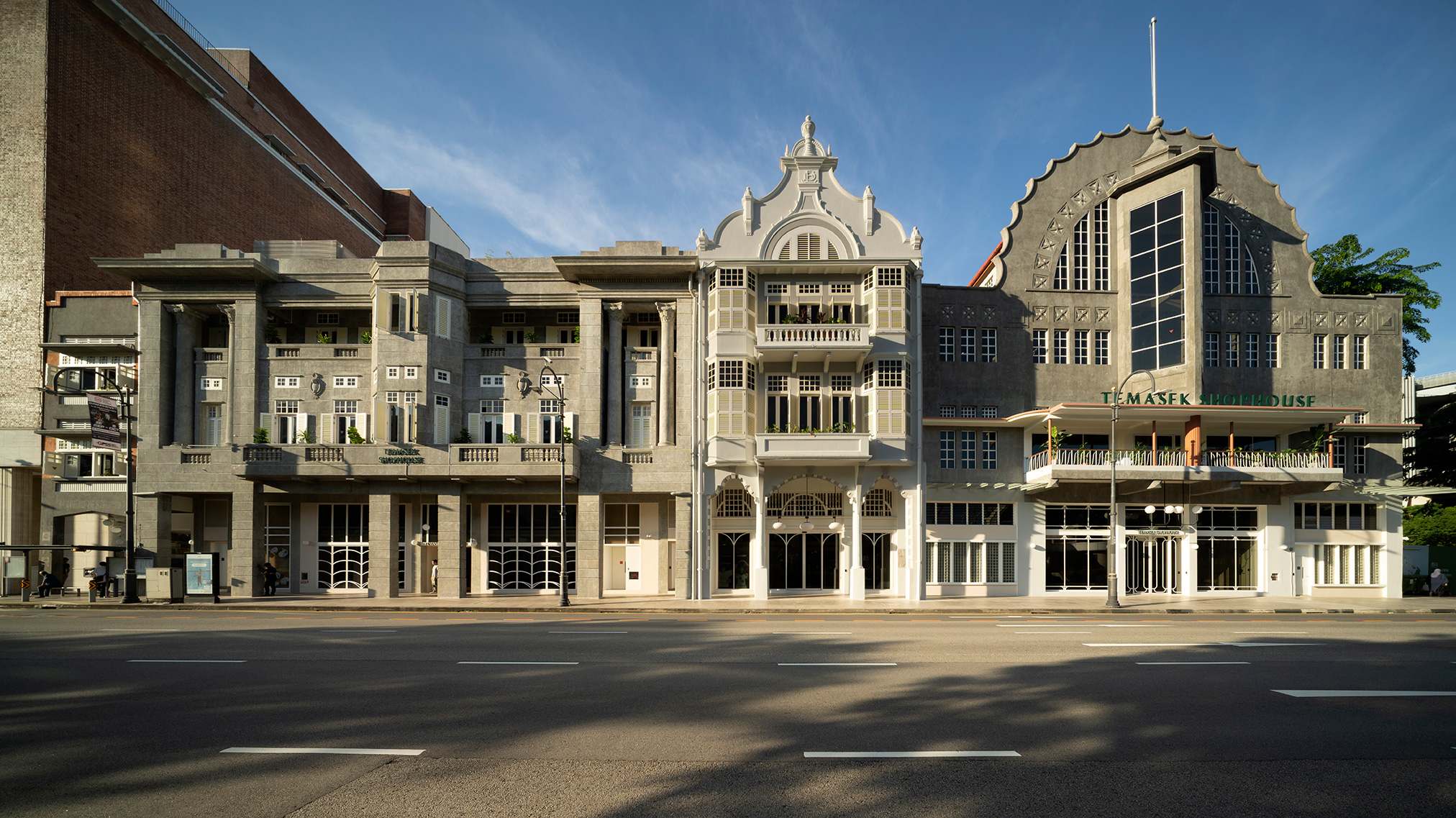
In conservation cases such as the restoration and expansion of Temasek Shophouse, which soft launched recently, we conducted extensive archival research together with the client and project team to uncover and reinterpret the asset’s original design intent. For example, we tried to preserve the spatial quality of the old double-volume space while adapting it for new functions. Understanding the architectural spirit is critical in guiding design decisions that honour the past.
Aidil: While AEI projects are often more challenging than new builds, their potential for a profound and meaningful impact makes them especially fulfilling and exciting for the team.
Temasek Shophouse, Image Credit: Temasek Shophouse