Building Resilient Systems: Why Architects and Engineers Must Design for Continuity

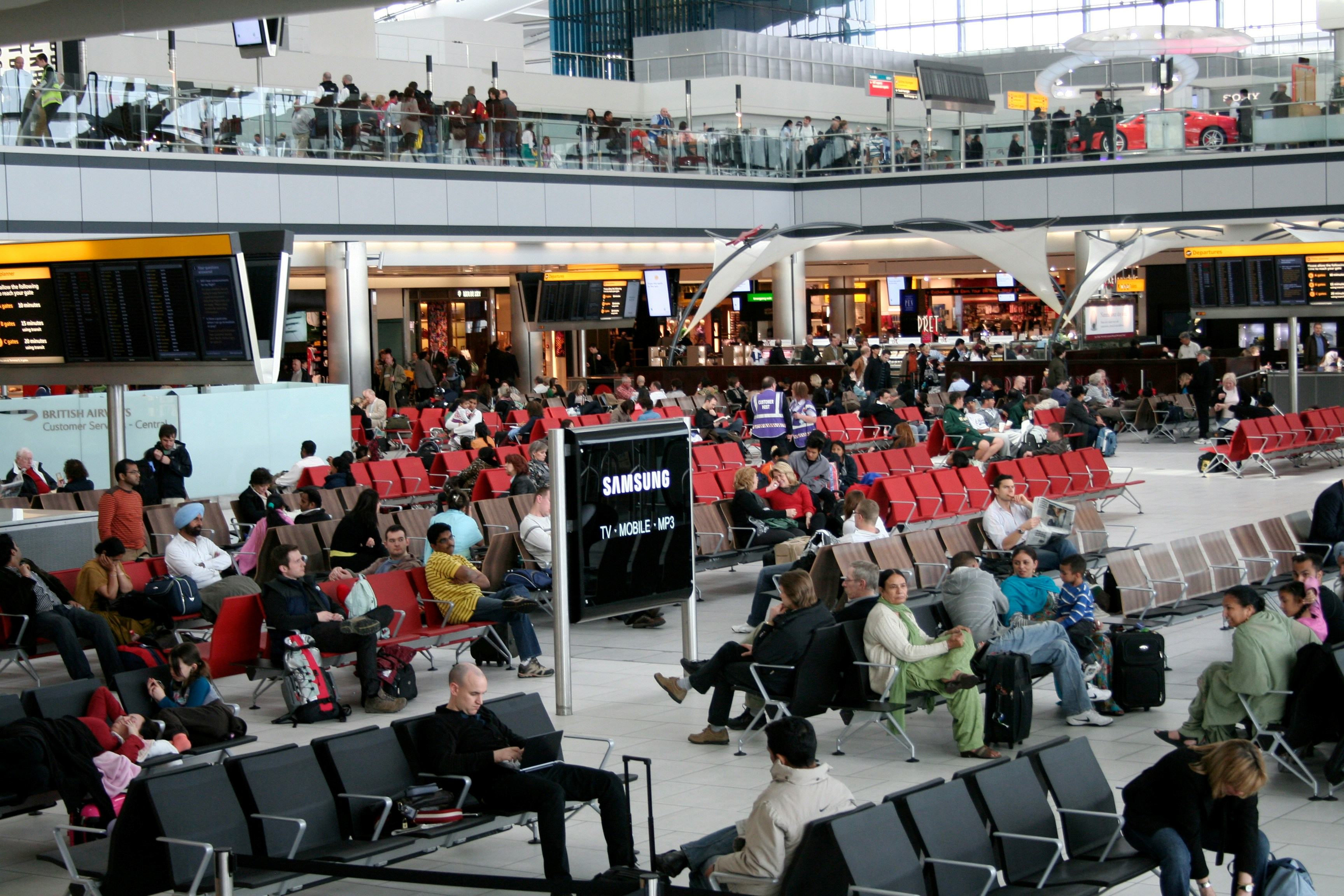
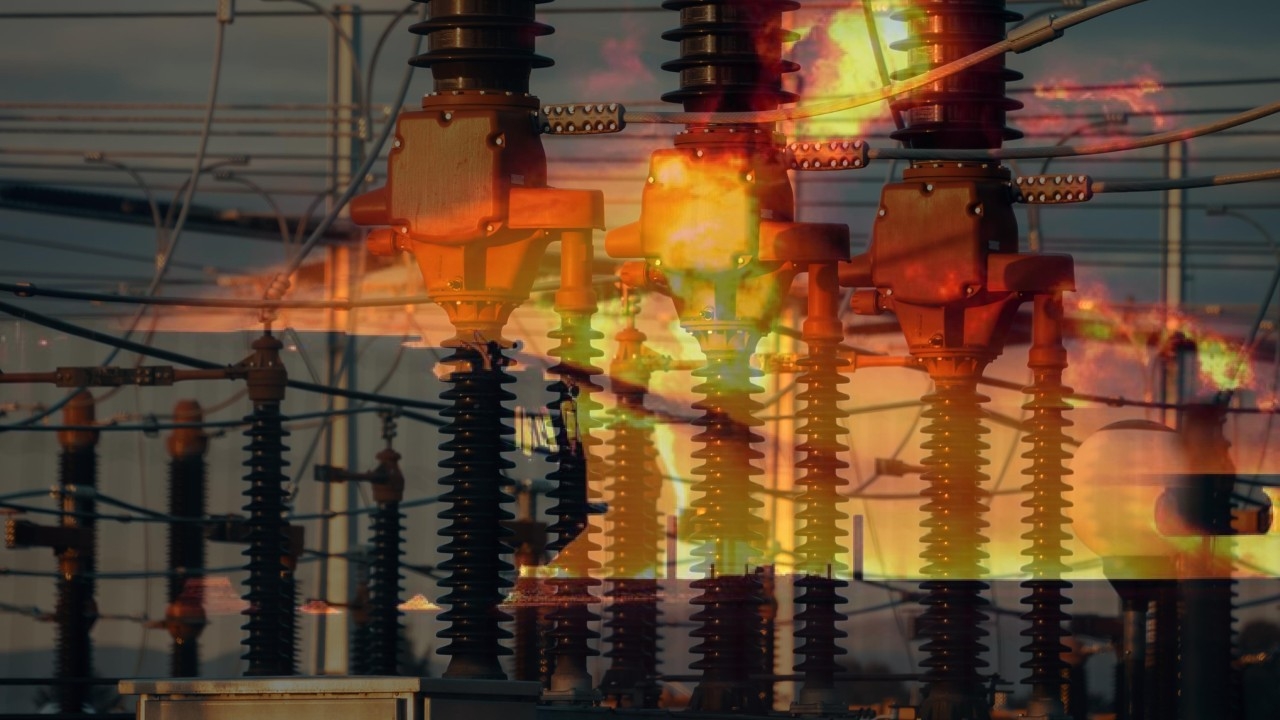
Modern societies rely on complex infrastructure systems to function. They range from transport networks and data centres to power grids and fresh water supply networks. When a critical component fails, the cascading effects are likely to be profound. A recent example is the fire which broke out at the North Hyde Electricity substation in the United Kingdom. The substation provides electricity to the area northeast of Heathrow Airport, as well as the airport site. The fire, which led to the substation’s closure, not only caused over 1,300 flight cancellations, and affected nearly 300,000 passengers at Heathrow Airport, but also disrupted power supply to more than 63,000 homes. This incident highlights the critical need for resilience in systems that support our everyday lives.
What Is System Resilience—and Why Does It Matter?
For both architects and engineers, designing for system resilience is not merely a professional obligation – it is a societal responsibility. The safety, continuity, and wellbeing of communities depend on the built environment’s ability to withstand and recover from unexpected disruptions. Resilience refers to a system’s ability to withstand shocks, adapt to changing conditions, and recover quickly from disruptions. Resilient designs ensure that essential services remain operational – or return swiftly back to operation, during emergencies.
Strategies for a Resilient Design
- Robustness: Designing to Withstand Stress
Resilient systems are built to endure. This means selecting materials and structural strategies that can resist wear, weather, overloads, and unforeseen failures. Engineers and architects must anticipate vulnerabilities and design with buffers and reinforcements that reduce the risk of total system breakdown.
To achieve this in a cost-efficient manner, practitioners should adopt performance-based design, focusing resources where stress concentrations are highest and not overdesigning the entire system. Using modular and prefabricated elements in non-critical areas can reduce construction time and cost while offering inherent robustness through factory-controlled quality. Furthermore, applying value engineering during early project phases allows teams to explore alternative materials and structural schemes that offer durability without excessive capital expenditure. Passive design strategies—like orientation, shading, and ventilation—also provide robustness with minimal cost.
- Redundancy: Building Backup Pathways
Planning for system redundancy is not waste – it is insurance. Whether through multiple power feeds, alternative structural supports, or parallel control systems, redundancy ensures that no single point of failure can compromise the continuous operation of the entire system.
To implement redundancy cost-effectively, teams can apply selective redundancy—reinforcing only the most critical systems such as emergency power, communication, or cooling systems. Where feasible, shared redundancy across systems (e.g., shared emergency generators) or between facilities can further reduce capital outlays. Passive redundancies, such as dual-purpose spaces or natural light and ventilation, also offer functional backups without additional infrastructure. Digital redundancy, like mirrored servers or backup cloud systems, can be scaled efficiently with minimal physical footprint.
- Recovery: Enabling Fast Replacement
In the unlikely event of system failure, restorative speed matters. Resilient systems are designed with ease of maintenance in mind – easy access to critical components, standardization of parts and clear protocols for emergency substitution or repair.
Designing for maintainability begins at the design phase. Involving facilities managers and operators early in the process ensures layouts, service zones, and component selections are practical for real-world conditions. Emphasizing modularity and standardization enables faster replacements and reduces dependence on specialized parts. Integrated Building Information Modelling (BIM) and digital asset tracking can further streamline diagnostics and maintenance responses, making recovery smoother and faster.
Practical Steps for Integrating Resilience into Design
-
Risk-Based Planning
Use site-specific risk assessments to guide design priorities, considering factors like security threats, urban density, and service interdependencies. Emerging digital tools such as AI-driven risk modelling, GIS-based hazard overlays, and climate scenario simulation engines now allow faster and more comprehensive assessments. Digital twins and integrated BIM environments can automate updates and generate live insights across a range of plausible future scenarios. These tools not only speed up the planning process but help teams make better-informed decisions about where and how to invest in resilience.
-
Multidisciplinary Collaboration
Resilience is best achieved when architects, engineers, systems specialists, and operators co-create solutions. Co-creation ensures that designs reflect the knowledge, experience, and practical constraints of multiple stakeholders. When experts across disciplines work together, they can identify interdependencies, address blind spots, and design more efficient and context-appropriate systems. The benefits include more innovative and buildable solutions, increased buy-in from stakeholders, and fewer late-stage changes. Collaboration with users and operators also improves the system’s usability, maintainability, and long-term performance. Co-creation shifts resilience from an abstract ideal into a shared, actionable reality.
-
Smart Materials and Technology
Implement sensors, automation, and advanced materials that respond dynamically to environmental stressors. For example, self-healing concrete, shape-memory alloys, and phase-change materials extend service life and improve performance during disruptive events. Looking ahead, AI-enabled systems and agent-based automation can monitor infrastructure in real time, detect anomalies, and autonomously respond to failures. For instance, AI-powered maintenance systems can predict component fatigue and trigger preemptive repair workflows. The integration of robotics, autonomous drones, and smart networks may soon allow infrastructure to self-diagnose and even self-adapt, fundamentally shifting how we define "smart" resilience.
-
Lifecycle Thinking
Incorporate resilience not just into the design phase, but also in construction, operation, and decommissioning plans. Asset owners can do this by using total cost of ownership (TCO) and lifecycle costing models to justify upfront investments in resilience that pay off over decades. Critical infrastructure, particularly national assets, demands a higher standard of lifecycle resilience. These systems must withstand low-probability, high-impact events and operate reliably across long timelines. This calls for long-term planning horizons, robust maintenance strategies, and institutional frameworks that preserve continuity across political or funding cycles. Digital tracking, long-term performance analytics, and adaptive operation protocols are key tools for managing resilient lifecycles of such assets.
Why It Matters: A Safety Net for Lives and Livelihoods
Failure of a critical component in system can disrupt thousands of people and trigger cascading economic losses. This reinforces the fact that system resilience is not optional – it is essential. System resilience ensures spaces and systems we create can support our daily lives in an uninterruptable manner – even when the unexpected occurs. Resilient design ensures that the spaces and systems supporting our daily lives remain operational, even under unexpected stress.
The substation fire not only caused over 1,300 flight cancellations and stranded nearly 300,000 passengers, but also disrupted electricity supply to more than 63,000 homes. The economic and social impact was immediate and widespread. Events like this highlight why embedding resilience into critical infrastructure is fundamental to protecting both lives and livelihoods.
Final Thought
As the built environment becomes more interconnected and technologically sophisticated, architects and engineers have a growing responsibility to embed resilience into every layer of critical infrastructure. Designing for resilience is no longer optional — it is essential to ensure that essential services remain operational during crises, minimize disruptions, and safeguard communities from cascading failures. In a world of rising uncertainty, resilient design is not just good practice; it is a commitment to the continuity and safety of society itself.