Turning Waste into Energy for a More Sustainable Hong Kong
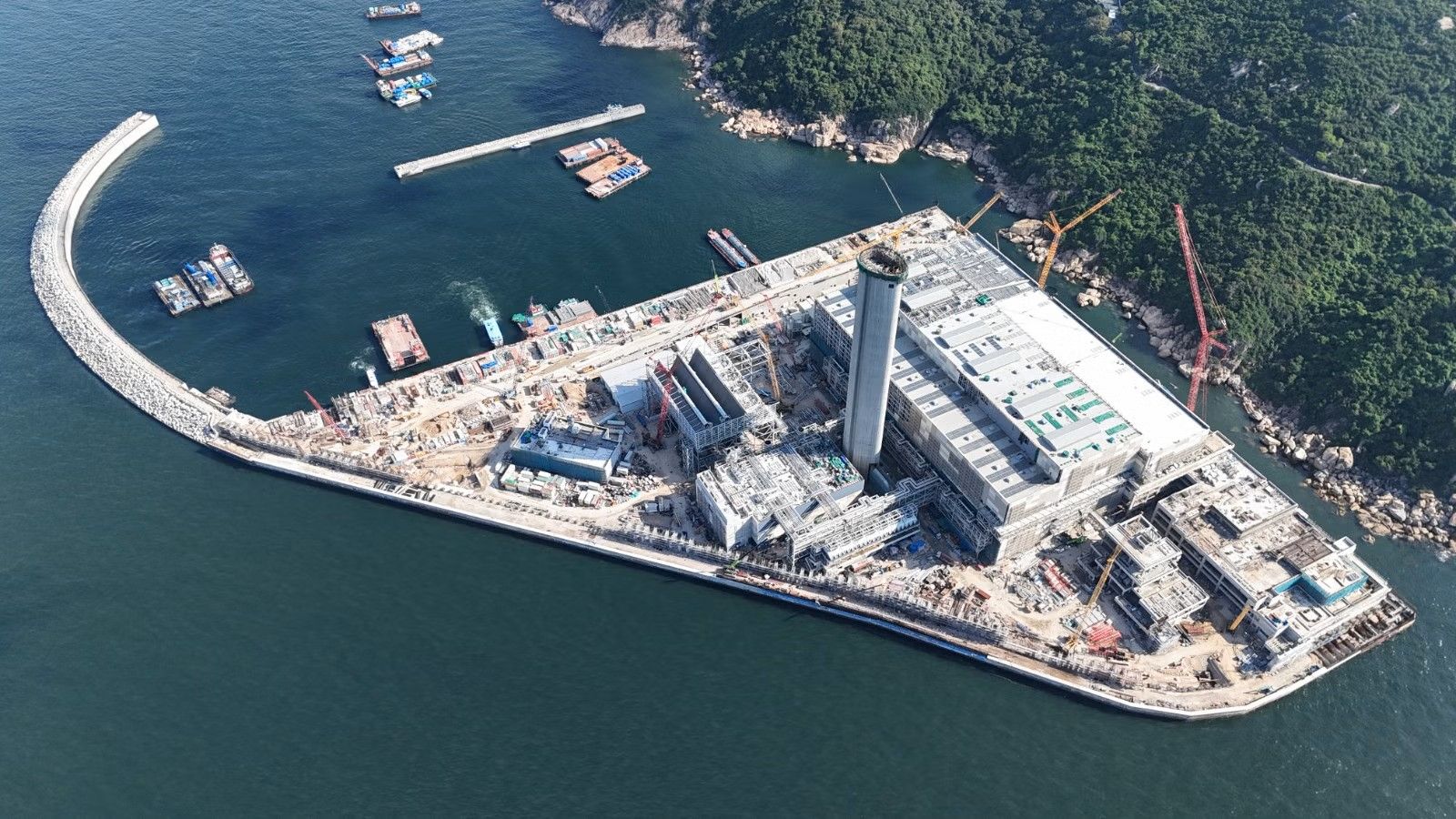
I·PARK1 is designed to reduce Hong Kong's dependence on landfills through the treatment of municipal solid waste and the recovery of heat to generate surplus electricity.
-
Location
Hong Kong
-
Period
2025
-
Member companies
SMEC
-
3K
tonnes/day of municipal solid waste treatment capacity
-
480
million kWh/year of surplus electricity generated
-
100K
households powered annually from energy generated
-
440K
tonnes/year reduction in greenhouse gas emissions
Supporting sustainable waste management
I·PARK1 supports a more sustainable approach to municipal waste management by reducing the volume of municipal solid waste, recovering useful resources and generating surplus electricity for Hong Kong’s power grid.
I·PARK1 represents a major step forward in Hong Kong’s waste-to-energy infrastructure. Designed to treat mixed municipal solid waste through advanced incineration and resource recovery, the facility will reduce the volume of waste requiring landfill disposal while converting recovered heat into electricity for the city’s power grid. With a daily treatment capacity of 3,000 tonnes, I·PARK1 is positioned as an important part of Hong Kong’s long-term strategy to manage waste more sustainably.
SMEC was engaged as Independent Design Checker, managing an international team of specialists including Deep Cement Mixing ground treatment experts from Japan, incineration specialists from Germany and SMEC’s in-house technical teams. Its role covered the independent checking of permanent designs for reclamation, seawalls and breakwaters, civil and structural works, electrical and mechanical systems, incineration and air pollution control processes, ash handling, mechanical sorting, fire systems, landscape, architecture and environmental review.
By combining multidisciplinary technical review with a strong sustainability focus, SMEC contributed to the safe and robust delivery of one of Hong Kong’s most significant environmental infrastructure projects. The project demonstrates how complex engineering can support practical waste reduction, energy recovery and lower-carbon urban development.
The outcome
I·PARK1 will strengthen Hong Kong’s waste management resilience by reducing reliance on landfills and converting municipal waste into usable energy for the city. Through independent multidisciplinary design checking, SMEC helped safeguard the technical integrity of the facility across civil, structural, electrical and mechanical, process, environmental, architectural and landscape disciplines.
Up next