Systems Thinking and the Future Shape of Middle East Airports
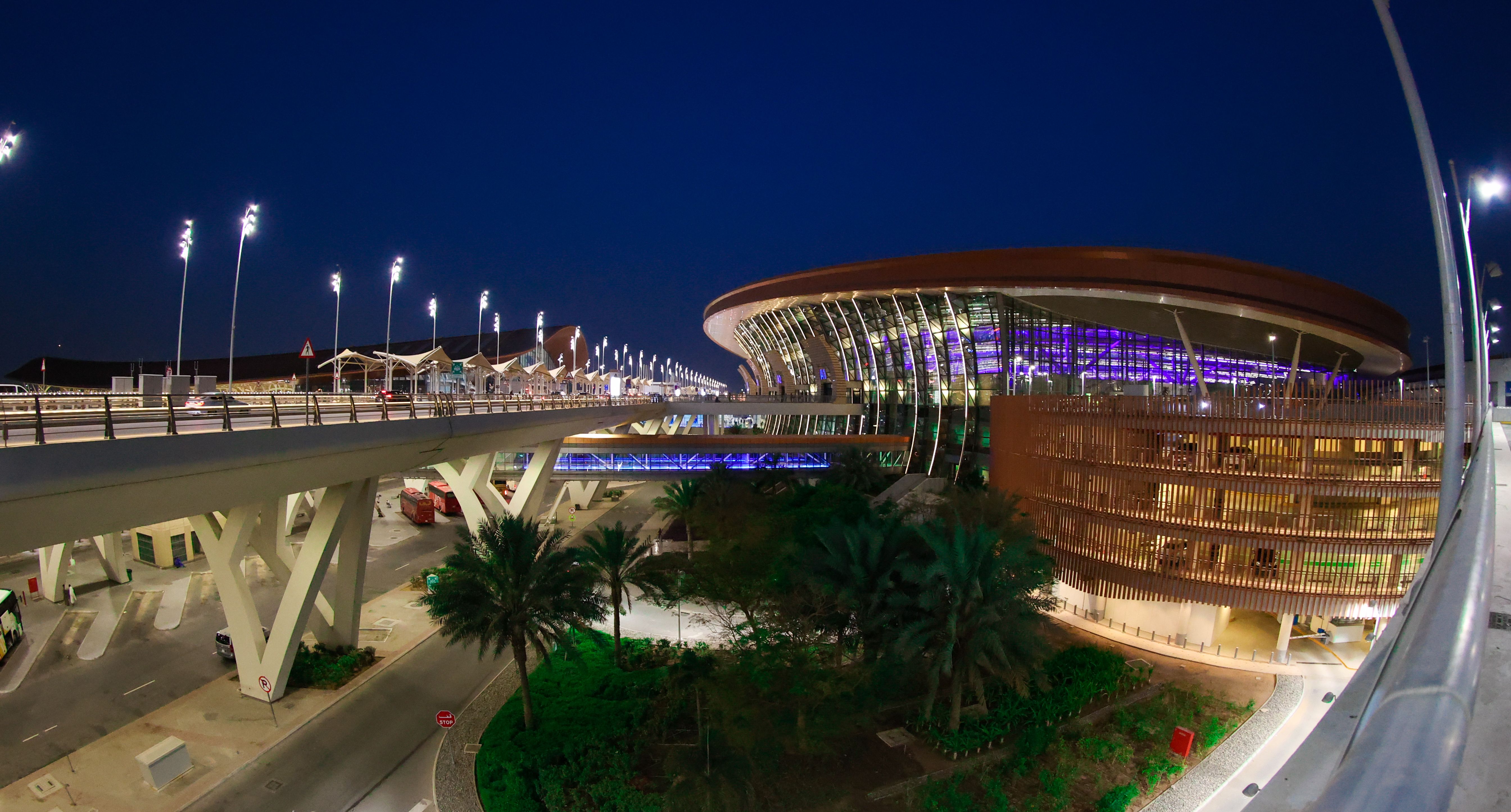
The Middle East’s aviation sector is entering a defining decade. According to Airports Council International (ACI), airports across the region are forecast to handle more than 1.1 billion passengers each year by 2040, nearly triple today’s volumes (ACI, 2024).
Few regions in the world are scaling at this pace. Since 2019, the Middle East has recorded the second strongest recovery in global airline capacity, both domestic and international, with only Southeast Asia, largely driven by India, growing faster.
This expansion reflects not only the region’s rapid rebound from pandemic-era disruptions but also its sustained commitment to infrastructure investment. As of late 2025, there are over 16 aviation infrastructure projects underway across the Middle East, ranging from full-scale new airports to terminal expansions and digital transformation projects. Landmark projects such as King Salman International Airport in Riyadh and Al Maktoum International Airport in Dubai are redefining the scale of global aviation infrastructure, positioning the region as a leader in connectivity, innovation and design excellence.
Globally, airports are projects to invest USD 2.4 trillion by 2024 to meet capacity, digitalisation and decarbonisation goals (IATA, 2024). Within the Middle East, sustainability is becoming a defining theme of the next growth phase. Airports like King Abdulaziz International Airport (KAIA), Dubai Airports (DXB), Zayed International Airport (AUH), Hamad International Airport (DOH) and Red Sea International Airport (RSI) are embedding net-zero principles and smart mobility systems from the onset, integrating renewable energy, advance materials and passenger-centric digital experiences.
In this context, Onur Yamuk, Regional Director, Aviation and Aerospace (AMEP) at SJ Group, explores how systems thinking is reshaping the planning, design, and delivery of the next generation of airports. As projects grow in scale and complexity, a systems-based approach offers more than coordination – it delivers resilience, adaptability and data-informed performance across the full asset lifecycle. It also offers a structured way to manage interdependent disciplines, anticipate change, and align long-term operational performance with design intent.

Onur Yamuk, Regional Director, Aviation and Aerospace (AMEP)
Rethinking how airports are planned and delivered
Traditional airport design once followed a linear, discipline-based model, where airside, terminal, and landside components were planned largely in isolation and integrated only late in the process. This approach served its purpose in an era when passenger growth was more predictable, systems were simpler and operational change occurred at a slower pace.
Today, that model is no longer viable. The scale and complexity of modern aviation demand a fundamental shift in how airports are conceived and delivered, particularly in the Middle East, where mega-projects are redefining global benchmarks.
Modern airports are now understood as Systems of Systems – interconnected networks of airside operations, passenger terminals, and ground access that must perform as one cohesive unit. A disruption in one area can affect the entire operation. The shift toward systems thinking aligns technology, processes, and people under a shared vision: to create high-performing, adaptable airports that can evolve with time rather than resist it.
Beyond physical interdependence, airports also behave as Complex Adaptive Systems, continuously evolving in response to external pressures such as fluctuating demand, technological changes, and sustainability imperatives. Even small operational adjustments can create cascading effects across the network. Recognising this dynamic drives the move toward flexible, modular infrastructure and scenario-based planning – frameworks that anticipate growth and adapt.
This new paradigm reframes airport planning as an evolutionary process, not a one-time masterplan. The goal is transition from the idea of a fixed blueprint to an adaptive ecosystem and an airport capable of learning, optimising and regenerating in line with shifting economic, environmental and social conditions. By embedding systems thinking into design, delivery and operation, the next generation of airports will be equipped to manage complexity, support sustainability and deliver long-term resilience.
A framework for integration
As airports evolve into complex, interconnected ecosystems, managing this growing complexity requires a unified and adaptive approach. To achieve this, the following framework introduces a comprehensive system methodology that spans every stage of airport development, from early concept design to full-scale operation.
This framework is designed to translate systems thinking into actionable practice, ensuring airports are conceived, delivered and operated as cohesive systems rather than as discrete, discipline-driven projects. It aligns design, technology, operations and governance under a shared vision of long-term performance, resilience and adaptability.
As its core, the framework brings together eight interconnected dimensions that define modern airport integration. Each dimension is interdependent, influencing and reinforcing the others throughout the project lifecycle.
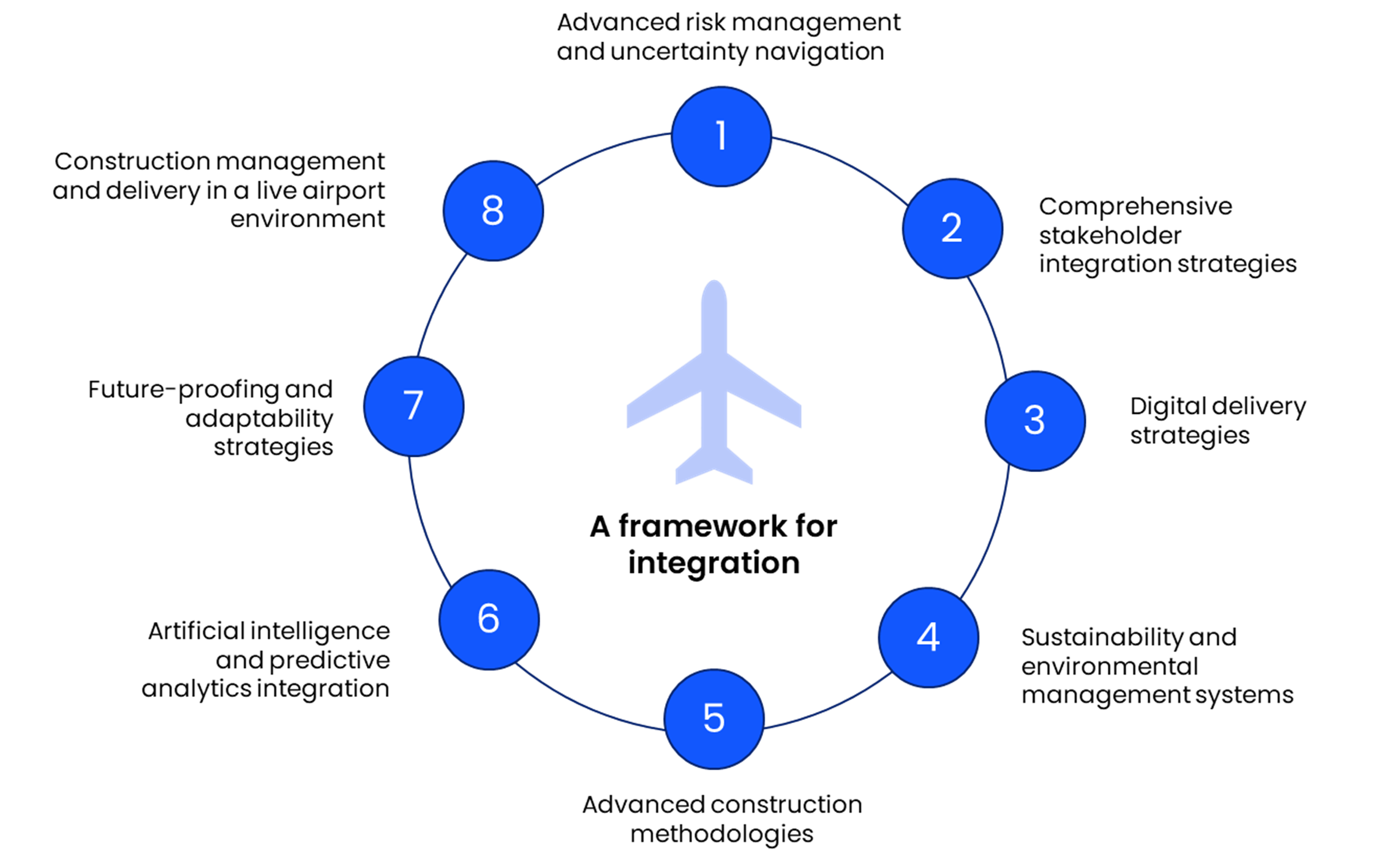
Pillar 1: Advanced risk management and uncertainty navigation
The first dimension focuses on risk and uncertainty management. Modern airport planning has moved beyond single-point forecasts to manage the growing complexity and volatility of the aviation sector. Using dynamic modelling tools including Monte Carlo simulations and real options theory, planners can anticipate multiple operational scenarios and evaluate trade-offs.
Designing for adaptability, through scenario planning, adaptive capacity design or flexible airfield layouts allows airports to evolve in response to changing demand, technology, or regulatory pressures without costly redesign. Advanced risk management is thus not about eliminating uncertainty but about building agile systems that sustain performance amid change.
Pillar 2: Comprehensive stakeholder integration strategies
Major airport programs involve hundreds of stakeholders, from government authorities and regulators to airlines, financiers, and local communities. A systems-based approach fosters early collaboration through shared digital platforms, transparent communication, and data-driven decision-making. This integration not only reduces delays and mitigates risks, but also encourages innovative, sustainable solutions. By aligning objectives across all parties, airports can deliver projects that are responsive to evolving operational and market needs.
Pillar 3: Digital delivery strategies
Digital delivery forms the backbone of a systems-based airport framework. Using an ISO 19650-compliant Common Data Environment (CDE) ensures that all participants, from designers and contractors to operators, work from one coordinated source of information. This approach removes duplication, reduces errors, and builds a collaborative digital environment where design decisions are traceable and aligned.
Within this environment, Building Information Modelling (BIM) extends beyond 3D visualisation to become a multidimensional management tool.
- 4D BIM integrates time to optimise construction sequencing and tracks progress in real time.
- 5D BIM links cost data to provide accurate forecasting and budget control.
- 6D BIM incorporates sustainability performance to measure environmental outcomes, while 7D BIM connects design information to operational planning and maintenance.
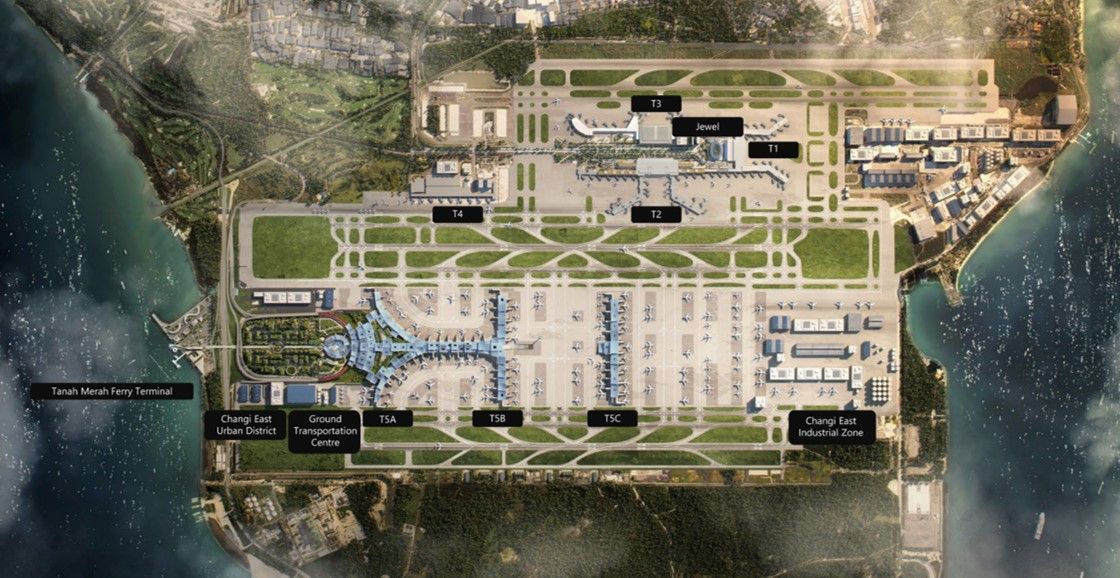
The evolution of BIM leads naturally to the Digital Twin, a dynamic model that mirrors the physical airport using real-time data. It enables predictive maintenance, operational simulation, and lifecycle management. At SJ Group, we have applied this thinking through our involvement in predictive maintenance processes at Changi Airport, developing technologies and systems that support the optimal management of facilities. These insights inform how digital intelligence is embedded from the earliest stages, allowing airports to operate more efficiently, safely, and sustainably.
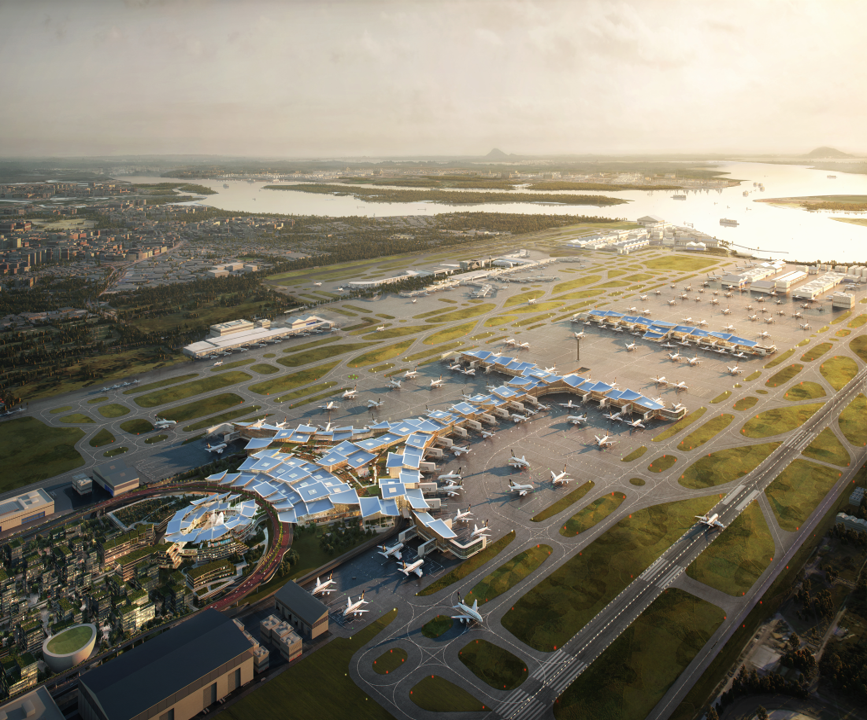
Artist’s impression of the Changi Airport Terminal 5, Singapore.
Pillar 4: Sustainability and environmental management systems
Sustainability is integrated into every stage of the systems framework. Guided by LEED certification principles, the approach focuses on improving energy efficiency through renewable power and smart controls, managing water through reuse and recycling, and selecting durable, low-impact materials. It also aligns with Airport Carbon Accreditation (ACA) Level 4+ standards to support carbon-neutral and net-zero goals. By embedding these measures into design and operations, environmental performance becomes part of the airport’s overall system rather than a separate objective.
Pillar 5: Advanced construction methodologies
Advanced construction methodologies focus on balancing speed, quality, and safety within complex airport environments. Applying systems thinking to construction ensures that planning, logistics, and delivery are fully integrated to maintain operational continuity.
Design for Manufacture and Assembly (DfMA) is a core approach, using off-site prefabrication and modular assembly to improve quality and reduce on-site work. Prefabricated terminal modules and standardised components allow rapid installation with minimal disruption, while factory-controlled production enhances precision and consistency. Construction logistics rely on just-in-time delivery systems designed around airport constraints, supported by integrated quality assurance that reduces defects and rework. These methods demonstrate how the systems framework extends into construction, improving reliability, predictability, and efficiency across every stage of delivery.
Pillar 6: Artificial intelligence and predictive analytics integration
Artificial intelligence enhances both construction and operation by predicting risks, automating quality control, and analysing passenger flow to optimise resource allocation. During the construction phase, AI tools support schedule optimisation, risk prediction, and automated quality control through computer vision and data analytics. They also enhance supply chain coordination and safety monitoring by identifying potential issues before they escalate.
Once operational, predictive analytics provide continuous insights into airport performance. Passenger flow patterns, resource allocation, and maintenance scheduling can be managed dynamically based on real-time data. By embedding AI and predictive analytics within the systems framework, airports gain the ability to anticipate demand, minimise downtime, and enhance both operational efficiency and passenger experience.
Pillar 7: Future-proofing and adaptability strategies
Airports must be ready for technologies and operating models that may not yet exist. These include autonomous ground vehicles, digital passenger identification, sustainable aviation fuels, and advanced air mobility. Designing adaptable infrastructure ensures that as technology evolves, airports can integrate new systems seamlessly without major reconstruction.
Pillar 8: Construction management and delivery in a live airport environment
Finally, construction in live environments brings the framework together in practice. Expanding or upgrading an operating airport is among the most complex engineering challenges. Contracting models such as Progressive Design-Build, Construction Manager at Risk, and Two-Stage Procurement enable early collaboration and joint risk management. Two-stage procurement, in particular, allows delivery partners to contribute during design, ensuring constructability, safety, and cost control before on-site work begins.
Equally vital is phased construction and operational integration. A systems approach informs the planning and sequencing of works to minimise disruption. Using 4D and 5D BIM, teams can simulate construction progress, plan for temporary facilities, and coordinate logistics to protect airfield safety zones and passenger access. This ensures seamless operation during development and reinforces the connection between design intent and real-world performance.
From Complexity to Coherence
Applying systems thinking transforms airport delivery from a series of disconnected activities to a unified, integrated process. By connecting design, technology, and operations within a single framework, this approach ensures every decision strengthens overall performance, resilience and adaptability.
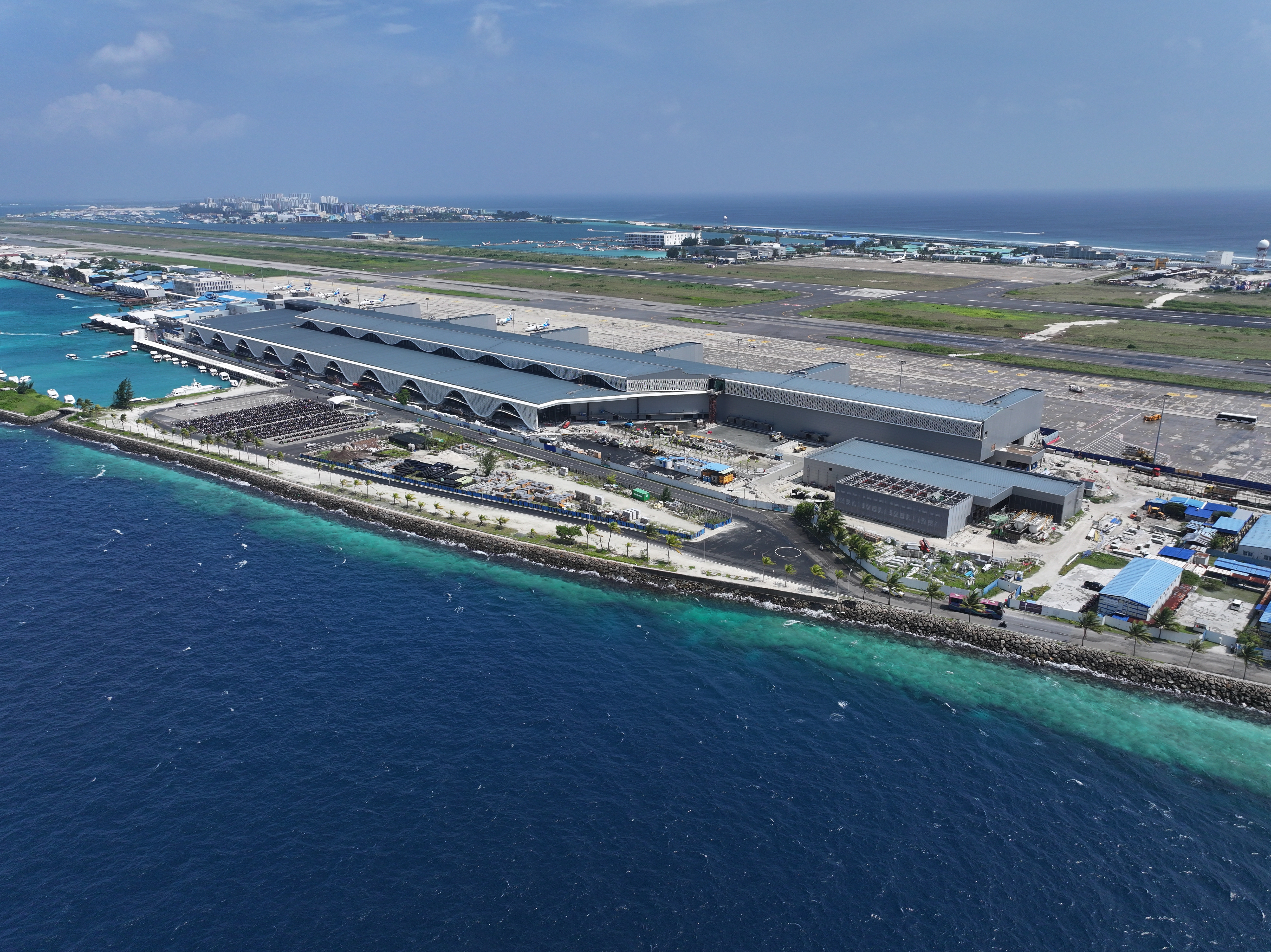
At SJ Group, we embed this methodology across aviation and aerospace infrastructure worldwide. Velana International Airport, King Abdulaziz International Airport, and Changi Airport Terminal 5 are three examples that demonstrate how our team brings together planning, digital engineering, and program management to manage complexity, mitigate risk and deliver sustained operational outcomes.
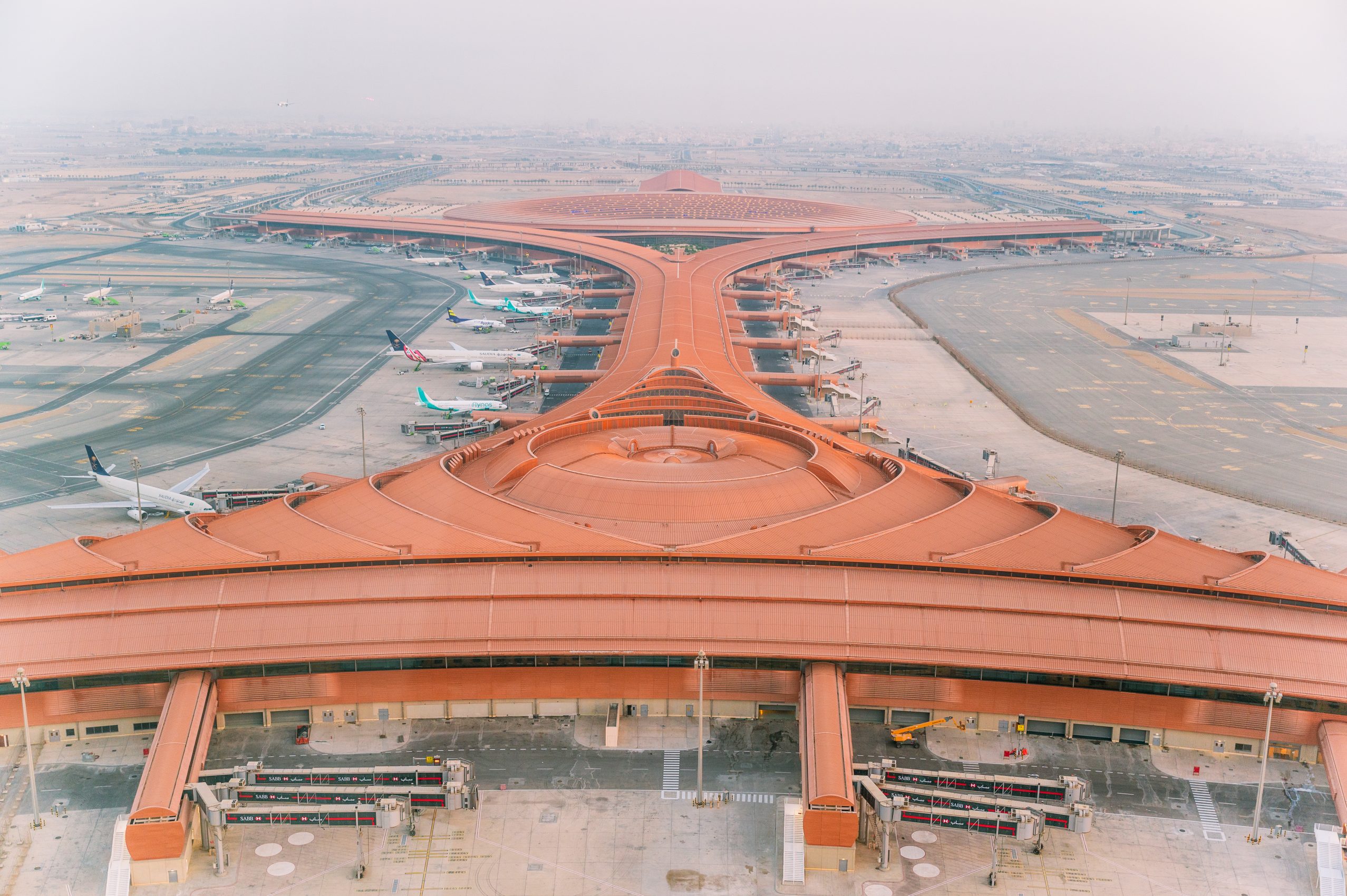
Aerial view of the King Abdulaziz International Airport, Kingdom of Saudi Arabia
The rapid expansion of Middle East aviation is redefining global benchmarks in airport development. As the region delivers some of the world’s most advanced hubs, systems thinking provides the foundation for keeping these assets adaptable, efficient, and sustainable. The airports that will stand the test of time are not those that only expand capacity, but those designed to evolve as technology, operations, and passenger needs continue to change.
Written by: Onur Yamuk
-
Regional Director, Aviation and Aerospace (AMEP)
-
Expertise in Aviation & Aerospace